

Blog
Commonly Studied Peptides: Research Areas, Evidence, and Regulatory Distinctions


Peptides are short chains of amino acids involved in many biological processes. Some occur naturally in the body, some have been developed into FDA-approved medicines, and others remain experimental materials studied in laboratories.
These categories are not interchangeable. A biological mechanism, cell-culture result, or animal study does not establish that an experimental peptide is safe or effective in humans.
This guide reviews several commonly discussed peptide categories, what researchers study, and the limitations that should accompany any description of proposed benefits.
What Does “Support” Mean in Peptide Research?
The word “support” can be misleading if it implies a proven health outcome. In scientific literature, researchers may instead report that a peptide:
- Interacts with a receptor
- Influences a signaling pathway
- Changes a laboratory biomarker
- Produces an effect in cultured cells
- Produces an observation in an animal model
- Demonstrates an outcome in a controlled human trial
These forms of evidence are not equivalent. Results from cells or animals may justify additional research, but they cannot automatically be translated into consumer benefits or treatment claims.
GLP-1 and Metabolic-Signaling Research
Glucagon-like peptide-1, or GLP-1, is a naturally occurring hormone released from specialized intestinal cells after food intake. It participates in glucose-dependent insulin signaling, digestive activity, appetite-related pathways, and communication between the digestive system and brain.
Scientists investigate GLP-1 biology in areas such as:
- Receptor signaling
- Glucose regulation
- Gastric-emptying mechanisms
- Appetite-related signaling
- Metabolic physiology
- Molecular stability
- Receptor selectivity
Native GLP-1, FDA-approved GLP-1 receptor agonist medicines, investigational compounds, compounded drugs, and nonclinical research materials are distinct categories.
An FDA approval applies only to the specific drug, formulation, indication, and conditions described in its approved labeling. It does not extend to similarly named research materials.
For a detailed explanation, read: GLP-1 Terminology Explained: Native Hormones, Receptor Agonists, and Research Materials.
GHK-Cu and Copper-Peptide Research
GHK-Cu is a copper-binding tripeptide studied in skin biology, extracellular-matrix regulation, fibroblast activity, oxidative-stress pathways, and experimental tissue models.
Research areas include:
- Collagen-related signaling
- Fibroblast behavior
- Extracellular-matrix remodeling
- Cellular migration
- Oxidative-stress responses
- Hair-follicle biology
- Topical cosmetic formulation
Topical cosmetic research and injectable administration must be evaluated separately. The FDA states that compounded injectable products containing GHK-Cu may present immunogenicity concerns associated with aggregation and peptide-related impurities, and that human safety information is limited.
These limitations prevent laboratory observations from being presented as proof that injectable GHK-Cu heals injuries, reverses aging, or treats hair loss.
Read more: GHK-Cu Copper Peptide Benefits: What the Research Actually Shows.
BPC-157 and Experimental Tissue Models
BPC-157–related materials have appeared in preclinical research involving cellular signaling, inflammatory pathways, blood-vessel formation, and experimental tissue models.
Common research subjects include:
- Cell migration
- Angiogenic signaling
- Inflammatory pathways
- Experimental gastrointestinal models
- Tendon and connective-tissue models
- Laboratory injury-response mechanisms
Most frequently cited findings are preclinical. They do not establish safe dosing, clinical effectiveness, long-term safety, or suitability for treating an injury.
The FDA has identified limited safety information and potential concerns involving immunogenicity, peptide-related impurities, and active-ingredient characterization for compounded BPC-157 products.
BPC-157 should not be described as an FDA-approved treatment for pain, injury, gastrointestinal disease, or recovery.
Thymosin Beta-4 and TB-500–Related Research
Thymosin beta-4 is a naturally occurring peptide associated with actin regulation and cellular movement. TB-500 may refer to a synthetic fragment or related material and should not automatically be treated as identical to naturally occurring, full-length thymosin beta-4.
Researchers have explored areas such as:
- Actin-related cellular processes
- Cell migration
- Angiogenesis
- Experimental tissue remodeling
- Inflammatory signaling
- Laboratory wound models
The FDA reports that compounded products containing the thymosin beta-4 fragment known as TB-500 may present immunogenicity and impurity-related risks. The agency has also identified insufficient human-exposure information to determine safety.
The marketing nickname “Wolverine peptide” does not identify a standardized compound or formulation.
For additional context, read: Wolverine Peptide and NAD+ Benefits: What the Research Actually Shows.
Growth-Hormone Signaling and Secretagogue Research
Some experimental peptides are investigated for their interactions with the growth-hormone secretagogue receptor or growth-hormone-releasing pathways. These include substances commonly discussed under names such as CJC-1295 and ipamorelin.
Research may examine:
- Receptor binding
- Growth-hormone pulse patterns
- Pharmacokinetics
- Pituitary signaling
- Metabolic biomarkers
- Peptide stability
- Structure–activity relationships
Changes in a laboratory hormone measurement do not independently demonstrate improved muscle growth, fat loss, recovery, sleep, or athletic performance.
FDA safety materials identify limited human data and potential concerns involving aggregation, immunogenicity, peptide-related impurities, and active-ingredient characterization for several substances in this category.
These materials should not be presented as substitutes for FDA-approved medicines or as self-directed hormone treatments.
MOTS-C and Mitochondrial-Signaling Research
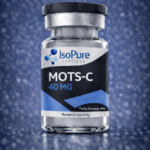
MOTS-C is a mitochondrial-derived peptide investigated in experimental models of metabolic signaling, cellular stress, energy regulation, and mitochondrial communication.
Researchers have explored:
- Cellular energy sensing
- Metabolic-stress responses
- Mitochondrial communication
- Glucose-related pathways
- Exercise-related animal models
- Age-associated cellular changes
Much of the available evidence is laboratory or animal research. The FDA reports that it has not identified human-exposure data sufficient to determine whether administered MOTS-C products would cause harm.
Claims involving weight loss, energy, exercise performance, or anti-aging should not be presented as established human benefits.
Peptides Studied in Immune and Inflammatory Pathways
A variety of peptides and peptide fragments are investigated for their relationships with immune signaling, inflammatory mediators, microbial defense, and cell communication.
Research questions may include:
- Receptor interactions
- Cytokine signaling
- Immune-cell activity
- Barrier-tissue biology
- Antimicrobial mechanisms
- Oxidative-stress pathways
An effect on an isolated inflammatory marker does not establish that a compound treats an inflammatory disease. Immune pathways are complex, and an experimental substance may produce different effects depending on concentration, tissue, route of exposure, and model.
Approved Medicines and Research Materials Are Different
Some peptides have become approved prescription medicines after undergoing structured development, manufacturing review, nonclinical testing, clinical trials, and regulatory evaluation.
A research material has not necessarily completed those steps.
Researchers should distinguish among:
- Naturally occurring human peptides
- FDA-approved peptide medicines
- Investigational drug candidates
- Compounded drug products
- Cosmetic ingredients
- Nonclinical laboratory research materials
Using similar terminology does not make these categories equivalent.
Why Analytical Documentation Matters
Reliable peptide research depends on properly characterized materials. Useful documentation may include:
- Complete chemical identity
- Amino-acid sequence
- Expected molecular mass
- Mass-spectrometry results
- HPLC chromatogram
- Chromatographic-purity result
- Lot number
- Laboratory identity
- Test date
- Method information
- Stated analytical limitations
A purity percentage alone does not establish identity, concentration, potency, sterility, endotoxin status, stability, or suitability for a particular experiment.
Read: HPLC Purity Testing Explained: What the Results Mean.
Why Lot-Specific COAs Matter
Analytical results should correspond to the particular lot being reviewed. A report from another production lot does not establish the identity or purity of the current material.
The product label and Certificate of Analysis should display matching lot identifiers. This supports traceability among the physical material, production batch, test sample, and laboratory results.
Read: How to Read a Lot-Specific Certificate of Analysis (COA) for Research Peptides.
How to Evaluate a Peptide Claim
Before accepting a claimed benefit, ask:
- Was the evidence obtained from cells, animals, or humans?
- Was the study controlled and independently replicated?
- Does the studied material match the material being discussed?
- Was the route and formulation the same?
- Did the study measure a biological marker or a clinical outcome?
- Is the substance an approved medicine, investigational compound, or research material?
- Does the claim extend beyond what the study actually demonstrated?
These questions help separate established evidence from preliminary findings and promotional language.
Final Perspective
There is no scientifically universal list of “top peptides.” Different peptides interact with different biological pathways, and the quality of evidence varies substantially.
Responsible peptide education describes what researchers investigate without promising that an experimental material will produce a health, cosmetic, recovery, weight-loss, or performance benefit.
IsoPure provides research materials strictly for legitimate laboratory research. They are not intended for human or animal use and are not represented as products for diagnosing, treating, curing, or preventing disease.
References
- FDA: Safety risks associated with certain bulk substances used in compounding
- FDA: Q2(R2) Validation of Analytical Procedures
- FDA: Immunogenicity Assessment for Therapeutic Protein Products
- FDA: Warning letter concerning online sale of unapproved peptide products
- Google: Creating helpful, reliable, people-first content