

Blog
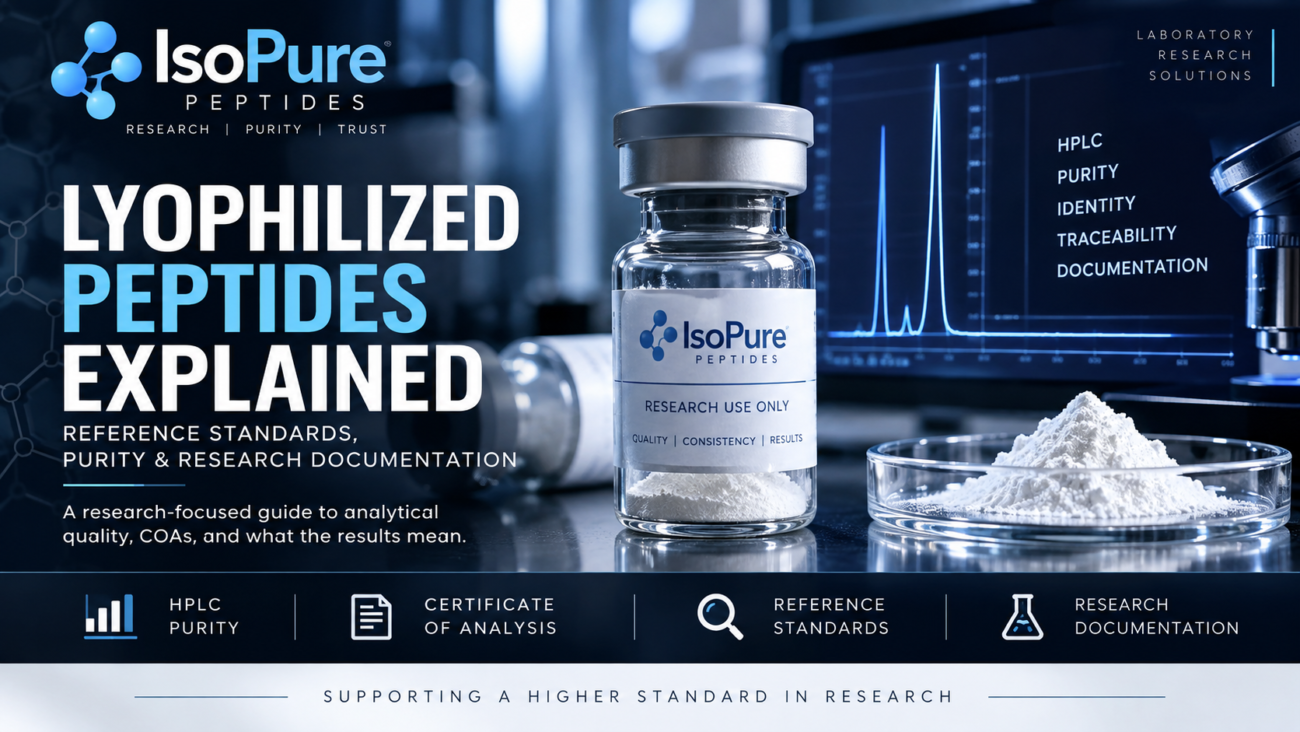
Lyophilized Peptides Explained: Reference Standards, Purity & Research Documentation

A research-focused guide to lyophilized peptides, reference standards, HPLC purity, Certificates of Analysis and analytical documentation.
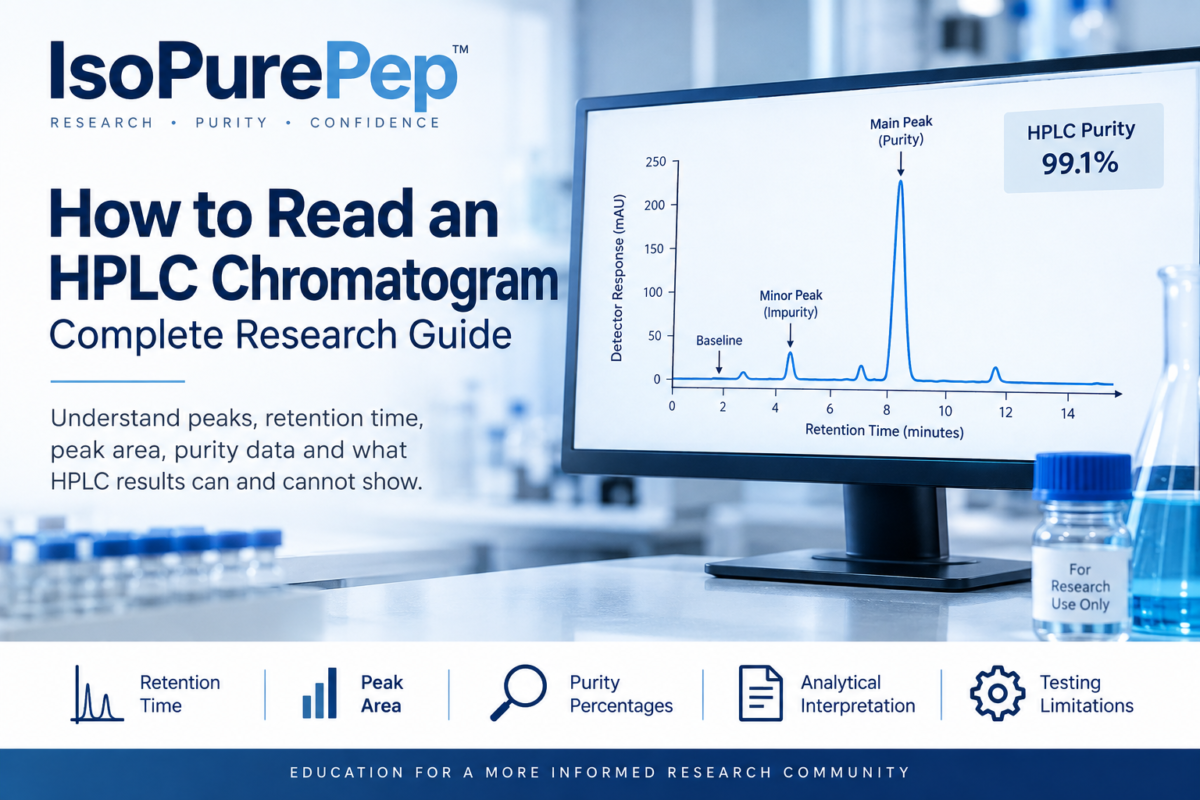
How to Read an HPLC Chromatogram: Complete Research Guide
A practical guide to reading HPLC chromatograms, understanding retention time, peak area and purity percentages, and interpreting analytical research documentation.
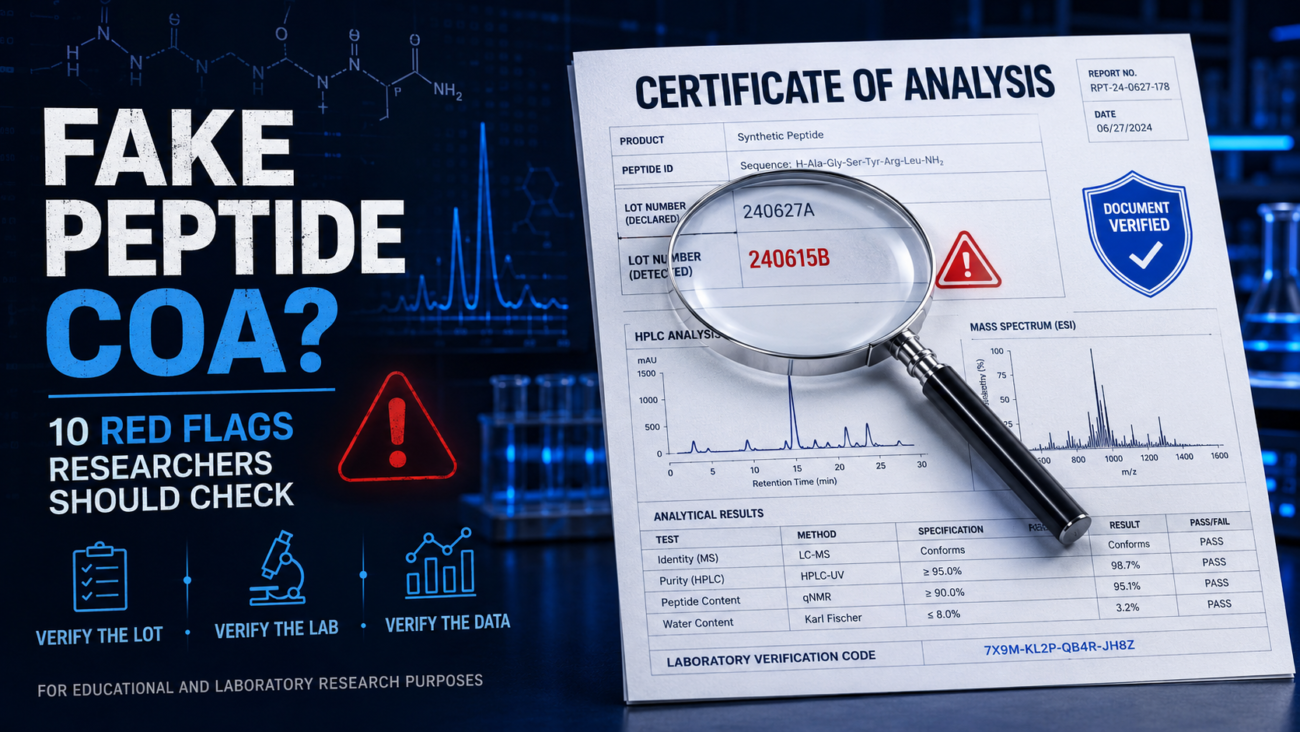
How to Spot a Fake Peptide COA: 10 Research Supplier Red Flags
Use this 10-point checklist to evaluate peptide COAs, confirm lot traceability, verify testing laboratories, and identify misleading research-supplier claims.
Weight-Loss Peptides Explained: FDA-Approved Drugs vs Research Compounds
Understand the differences among FDA-approved GLP-1 medicines, compounded drugs, investigational compounds, and research-only materials commonly called weight-loss peptides.
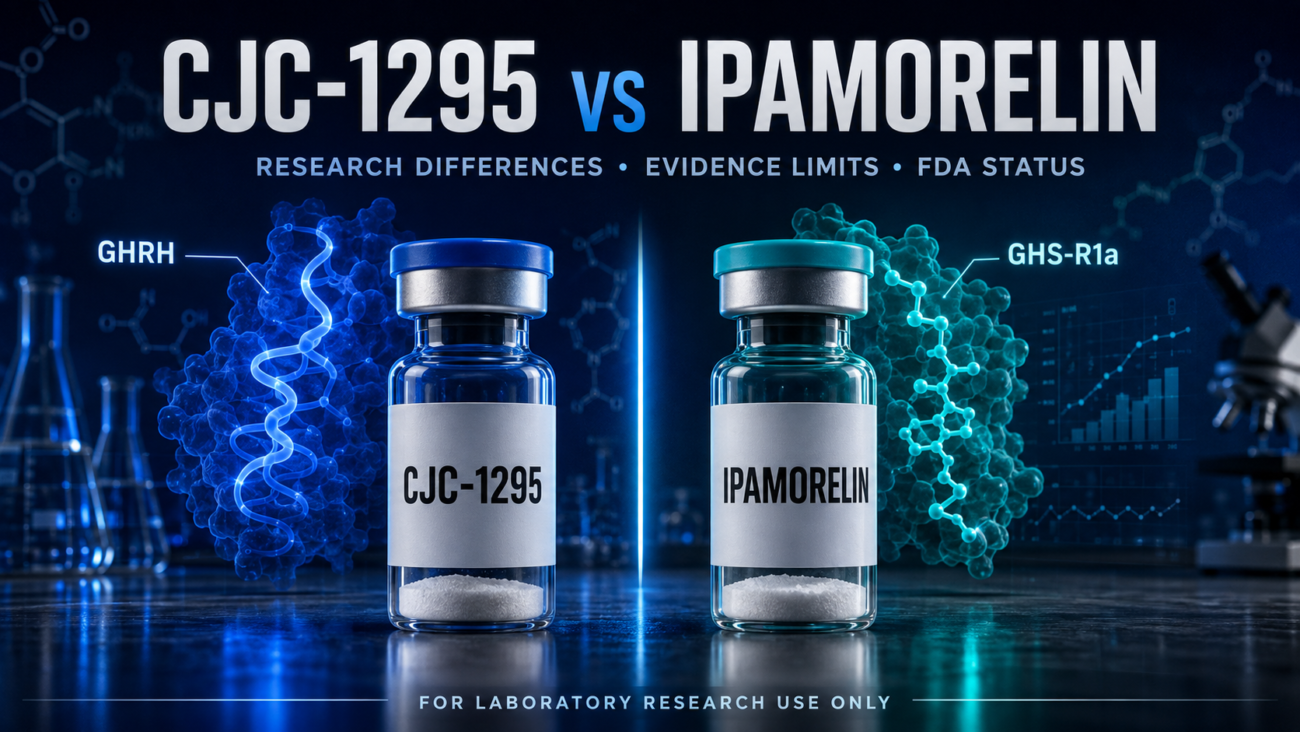
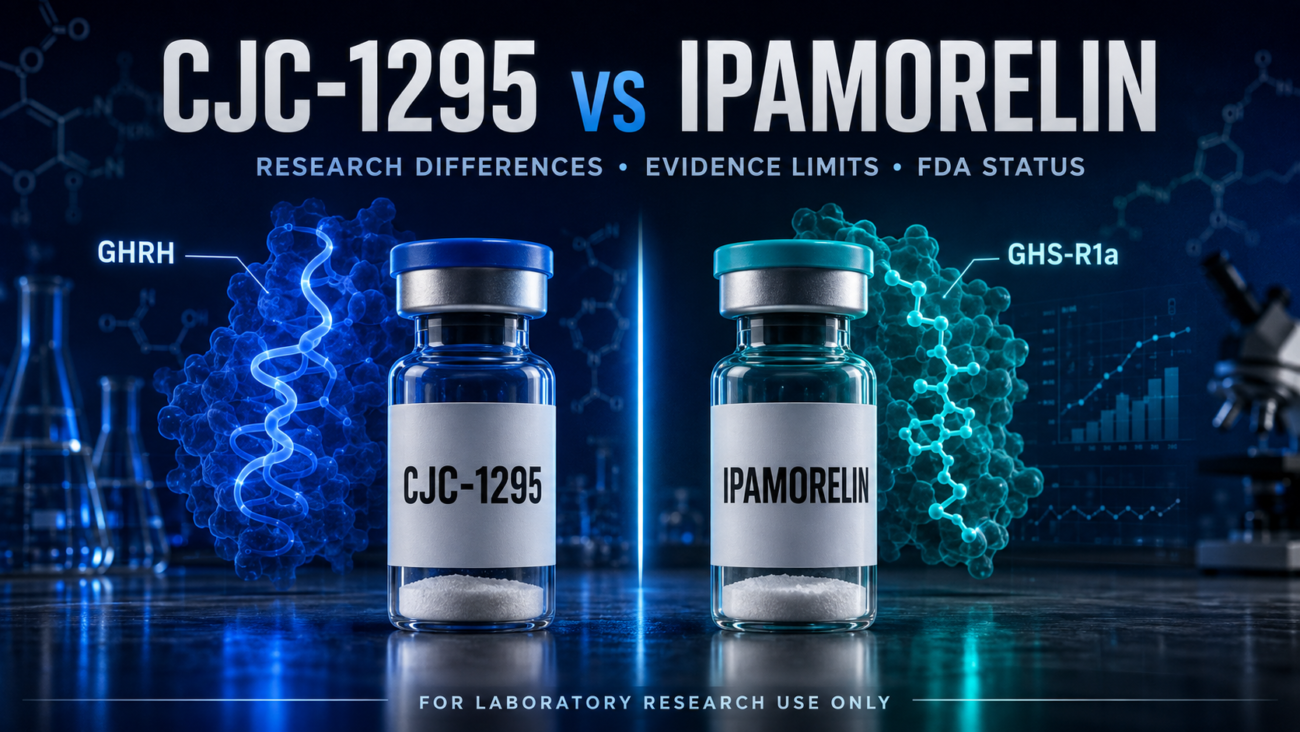
CJC-1295 vs Ipamorelin: Research Differences, Evidence Limits, and FDA Status
Compare CJC-1295 and Ipamorelin, including how researchers distinguish their signaling pathways, available evidence, safety concerns, and FDA status.
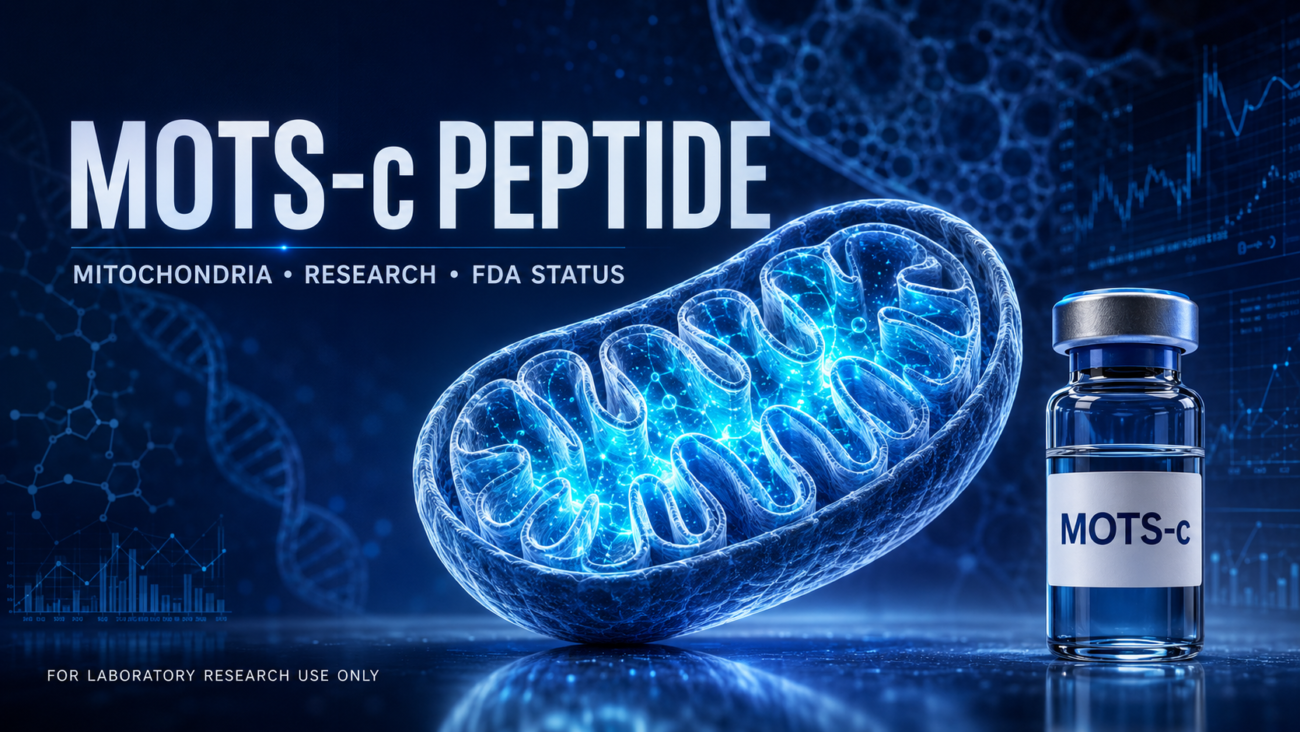
MOTS-c Peptide Explained: Mitochondria, Research Findings, and FDA Status
Explore MOTS-c peptide research involving mitochondria, cellular metabolism and exercise—and learn why early findings are not established human benefits.
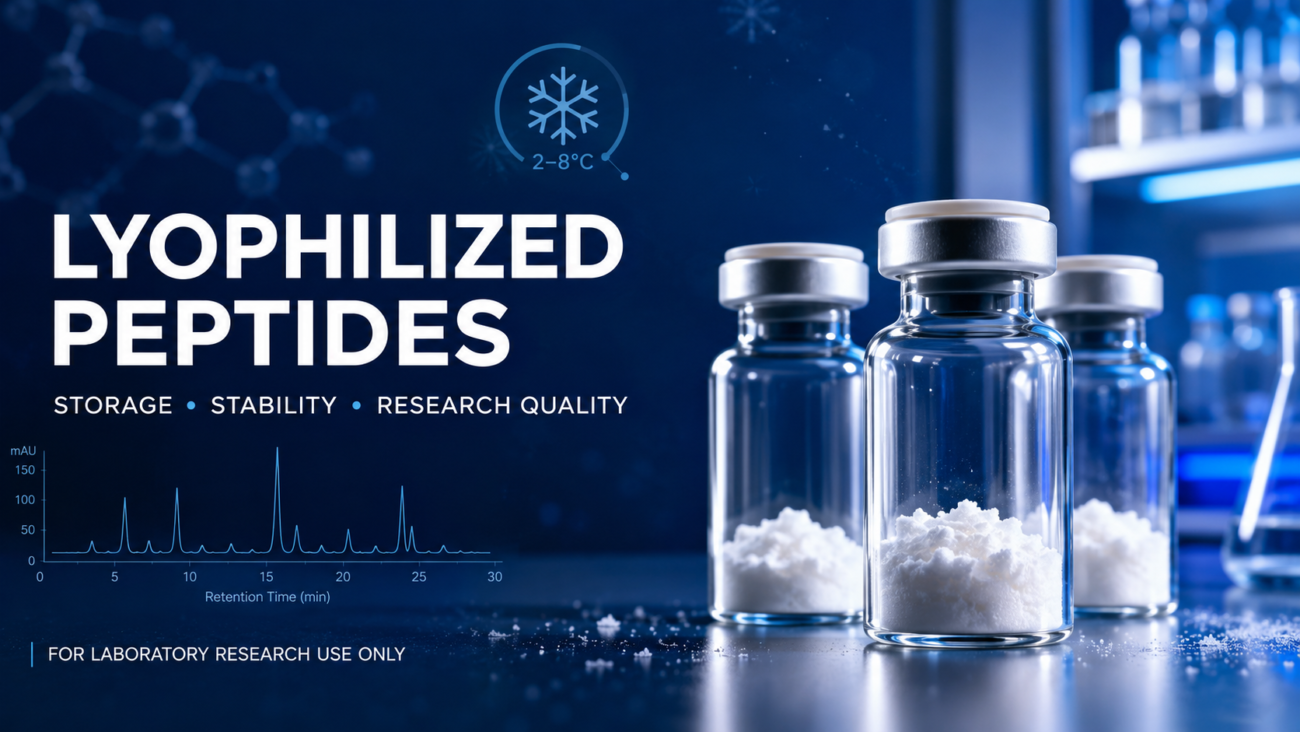
Lyophilized Peptides Explained: Storage, Stability, and Research Quality
Learn what lyophilized peptides are and how storage temperature, moisture, light, packaging, and analytical testing can influence stability and research quality.
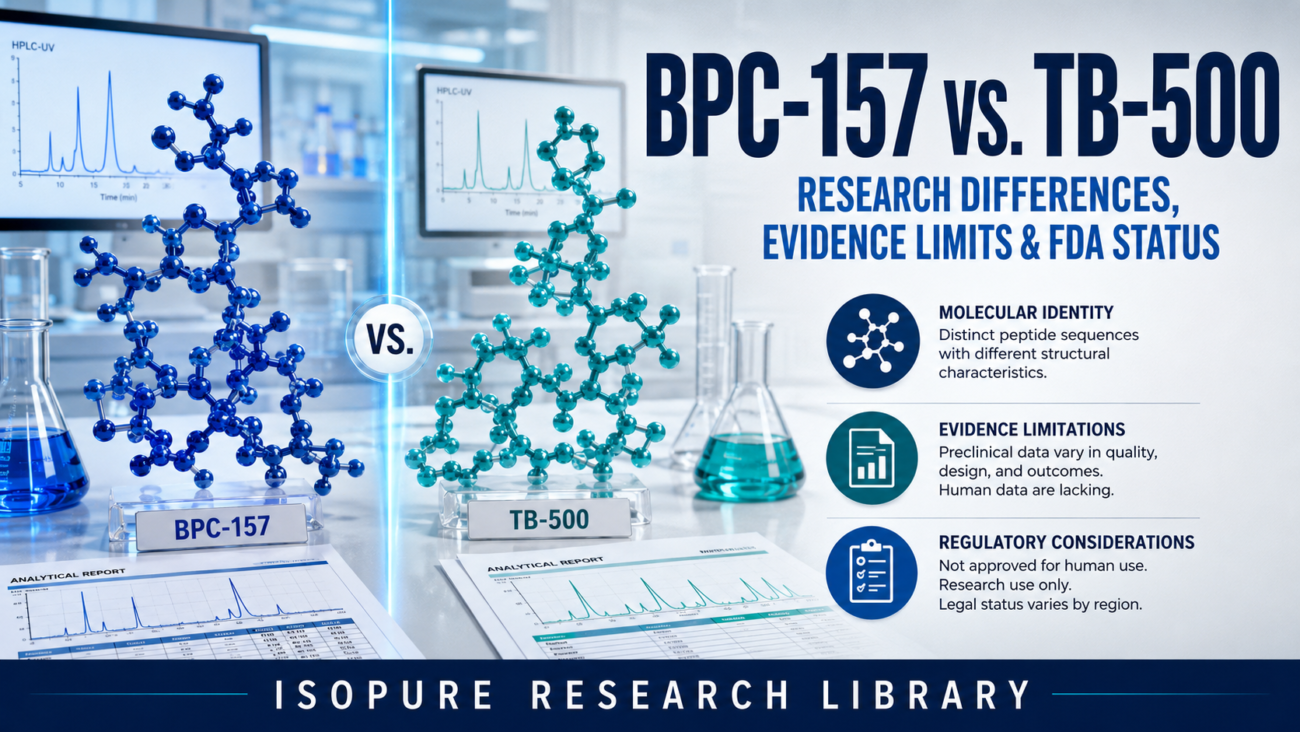
BPC-157 vs. TB-500: Research Differences, Evidence Limits, and FDA Status
BPC-157 and TB-500 are frequently grouped together, but their chemical identities, evidence bases and regulatory considerations differ.
BPC-157 Peptide Explained: Research Findings, Evidence Limits, and FDA Status
BPC-157 attracts substantial interest, but most evidence remains preclinical. Learn what research shows, where evidence is limited and what the FDA has stated
Research-Only Peptides in the USA: Meaning, Quality Documentation, and Regulatory Boundaries
A clear overview of what “research-only peptides” means in the USA, including quality documentation, identity testing, purity analysis and regulatory boundaries.